New AI Tools Drive Faster, More Accurate Detection
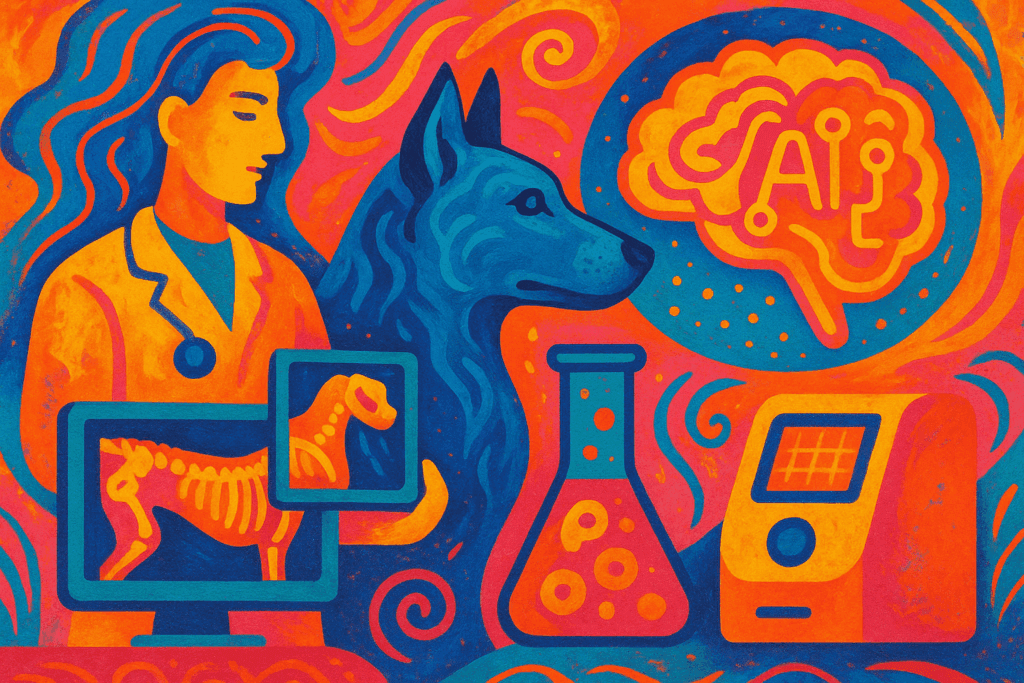
IDEXX Laboratories has launched a suite of AI-driven tools aimed at improving diagnostic speed and accuracy in veterinary clinics. Key introductions include the ImageVue DR50 Plus digital imaging system, the IDEXX Cancer Dx Panel, and the inVue Dx analyzer for fine needle aspirate cytology. Together, these systems apply machine learning and computer vision to imaging and cytology tasks that have traditionally required manual review.
The ImageVue DR50 Plus pairs advanced detector hardware with AI-based image processing to deliver higher quality radiographs while reducing repeat exposures. The result is improved imaging efficiency and lower radiation burden for patients and staff. The IDEXX Cancer Dx Panel uses pattern recognition to flag suspicious profiles consistent with common neoplasms in dogs and cats, including markers relevant to canine mast cell tumors. The inVue Dx analyzer applies automated cellular classification to FNA samples, prioritizing cases that need rapid human review.
The Transformative Impact on Veterinary Practices
For clinicians and technicians, these tools shorten time to diagnosis and make triage more effective. Automated image enhancement and AI-driven triage reduce the number of unreadable studies and cut turnaround time for cytology interpretation. That supports same-visit decisions for surgery, biopsy, or referral in cases such as suspected mast cell tumors.
Integration is designed to fit existing practice workflows. Systems connect with practice management software and pathology services to surface AI findings alongside patient records. This connectivity helps clinics allocate staff time toward treatment and client communication instead of repetitive image review.
Beyond day-to-day gains, IDEXX’s AI push signals growing use of algorithmic tools in animal health. By accelerating early disease detection and streamlining diagnostic steps, these innovations have the potential to improve outcomes for patients and increase operational capacity for veterinary teams. Adoption will depend on validation, training, and alignment with clinical protocols, but the technological direction is clear: more data driven, faster, and more consistent diagnostics for animal care.