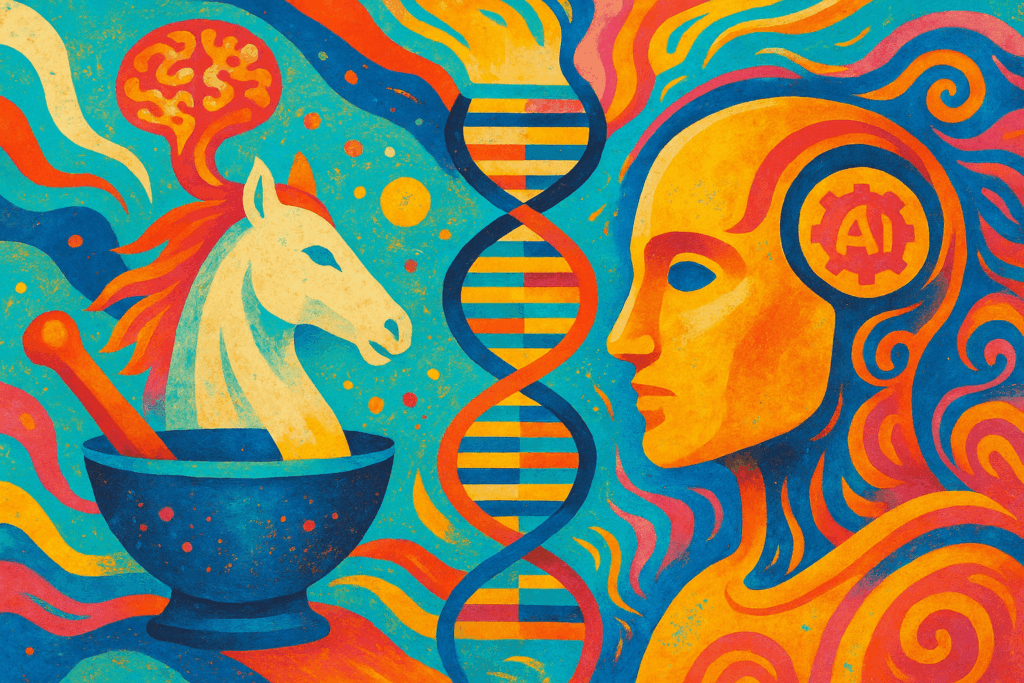

The LIGAND-AI consortium has launched a €60 million program to apply large-scale AI and open science to early-stage drug discovery. Backed by the Innovative Health Initiative, the project brings industry and academia together to generate and share the high-quality biochemical and structural data needed to train next-generation molecular models.
Global collaboration for rapid drug development
LIGAND-AI unites major partners including Pfizer, the Structural Genomics Consortium, and University College London, alongside a network of academic and industry contributors across Europe and North America. The consortium pools expertise in structural biology, medicinal chemistry, and machine learning to tackle one of drug development’s thorniest problems: predicting how small molecules bind to protein targets.
Powering innovation with open data and AI models
The project will produce vast, standardized datasets of protein-ligand interactions and high-resolution structures. Those datasets will train AI models designed to predict binding modes and prioritize candidate molecules. Critically, LIGAND-AI commits to open science: data, models, and protocols will be published so researchers worldwide can reuse them to validate findings, reproduce workflows, and build improved tools.
Accelerating future therapies
By improving early-stage prediction and hit selection, LIGAND-AI aims to shorten timelines for discovering leads against targets in rare disease, neurological disorders, and cancer. The program aligns with the Structural Genomics Consortium’s Target 2035 vision to make chemical probes broadly available for every human protein. It also emphasizes training interdisciplinary scientists able to operate at the intersection of AI and experimental biology.
LIGAND-AI represents a test of a collaborative model that combines industrial resources, academic rigor, and transparent data sharing. If successful, the initiative could lower barriers to therapeutic innovation and speed the translation of molecular insights into candidate medicines for unmet medical needs.