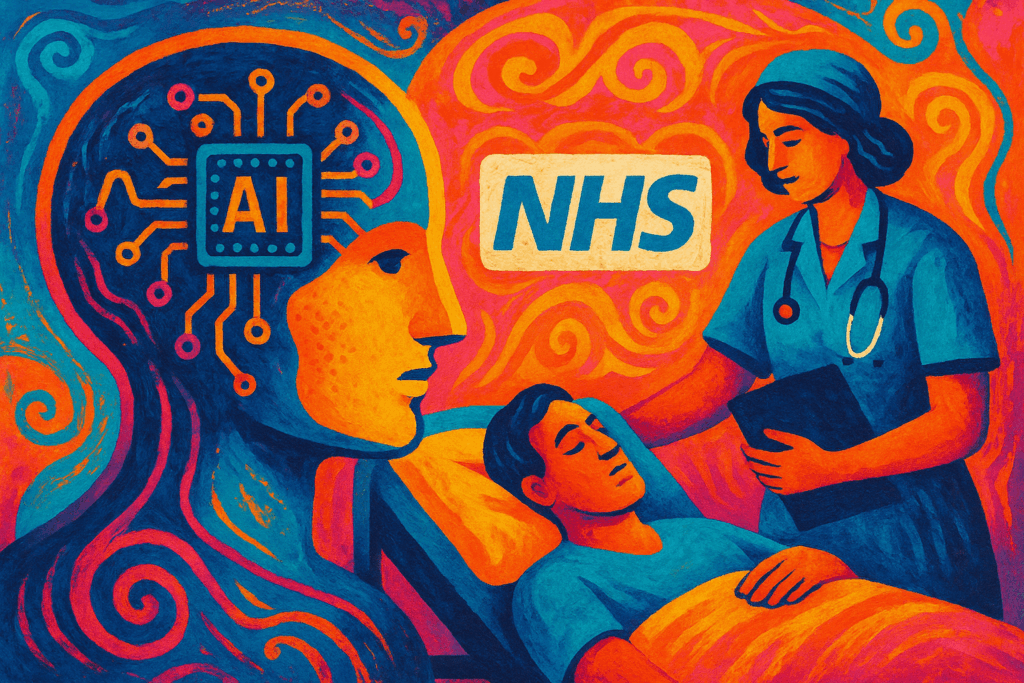

AI’s Prescription: Addressing UK Healthcare’s Pressing Challenges
The UK health and care system is under pressure from workforce shortages, rising economic inactivity linked to health, patchy mental health commissioning, and gaps in early disease detection. Artificial intelligence offers targeted, data-driven tools that health leaders and Integrated Care Boards can deploy to reduce operational strain, improve patient access, and sharpen clinical decisions.
AI in Workforce Support and Mental Wellness
Empowering Work and Health Programs
Initiatives like WorkWell aim to help people with health conditions return to employment. AI can personalize pathways by combining clinical, occupational and social data to predict likely barriers and recommend tailored interventions. Predictive models can flag candidates most likely to benefit from specific therapies or vocational support, while scheduling algorithms can allocate limited clinician time where it will have greatest impact. For commissioners and ICBs, these insights support smarter investment choices and measurable returns in reducing economic inactivity.
Reforming Mental Health Access
Mental health funding and commissioning vary across regions. AI-driven analytics can identify underserved cohorts and geographic gaps by linking referral, outcome and demographic data. Conversational agents and stepped-care triage tools can expand access for mild to moderate needs, freeing clinicians to focus on complex cases. Importantly, transparent model validation and local oversight are needed to prevent perpetuating existing inequities.
Advancing Clinical Precision and Outcomes
Better Detection, Fairer Screening
Early diagnosis remains vital for conditions such as prostate cancer. Machine learning applied to imaging, biomarker profiles and longitudinal records can improve diagnostic accuracy and risk stratification. AI can support personalized screening intervals and outreach plans that prioritize higher-risk populations, reducing both missed diagnoses and unnecessary procedures. Routine audits of algorithm performance by diverse patient groups can help avoid bias and promote equitable outcomes.
AI is not a substitute for clinical judgment, but when deployed with robust governance, validation and workforce involvement, it can reduce administrative burden, support targeted service delivery and improve patient outcomes. For the NHS to become more resilient, pragmatic pilots led by ICBs and evaluated for equity and cost-effectiveness should be scaled where results show clear patient benefit.