AI’s Breakthrough in Drug Discovery
Artificial intelligence is changing how new medicines are found. By applying machine learning to biological data and chemical space, AI reduces time and uncertainty across the drug discovery pipeline. The result is faster target selection, smarter molecule design, and earlier confirmation of candidate safety.
Accelerating the Path to New Cures
Identifying Promising Targets
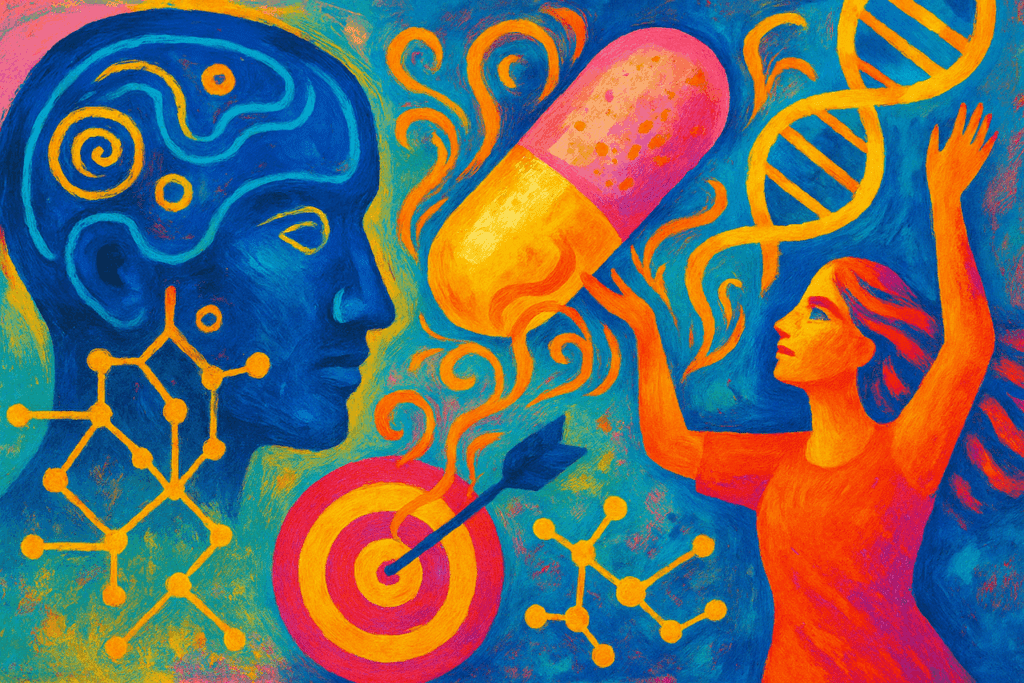
AI systems analyze vast datasets from genomics, proteomics, and clinical records to reveal disease drivers and biomarkers that might be missed by traditional methods. Advances in protein structure prediction have removed a major bottleneck: knowing a protein’s shape makes it easier to predict where a drug can bind. This shortens the window from hypothesis to validated target.
Designing Smarter Compounds
Generative models and graph neural networks explore millions of molecular variations in silico, prioritizing candidates with desired properties such as potency, selectivity, and ADMET profiles. Virtual screening and simulated assays shrink the need for exhaustive lab testing. In practice, AI has enabled several candidates to move into early human studies in months rather than years, helping pharmaceutical teams focus lab resources on the most promising molecules.
The Future of Medicine, Powered by AI
Using AI across discovery and preclinical testing can lower R&D costs, raise the probability that a candidate succeeds, and accelerate the arrival of new treatments. Personalized approaches benefit as models combine patient-level data to suggest therapies tailored to molecular subtypes.
Challenges remain: data quality, algorithm transparency, and regulatory alignment are essential before AI-driven leads routinely become approved drugs. The near-term picture is clear: AI narrows choices faster, reduces routine experiments, and frees researchers to focus on validation and translation to patients.
As AI tools become standard in labs and clinics, expect shorter development timelines and more targeted therapies reaching patients sooner.