Artificial intelligence is reshaping medical diagnostics by turning large, complex datasets into actionable clinical insight. Clinicians, researchers and health systems are adopting AI tools that accelerate detection, stratify risk and support more targeted care. This article summarizes where AI is already making a measurable difference and what to watch next.
AI in Action: Precision and Speed
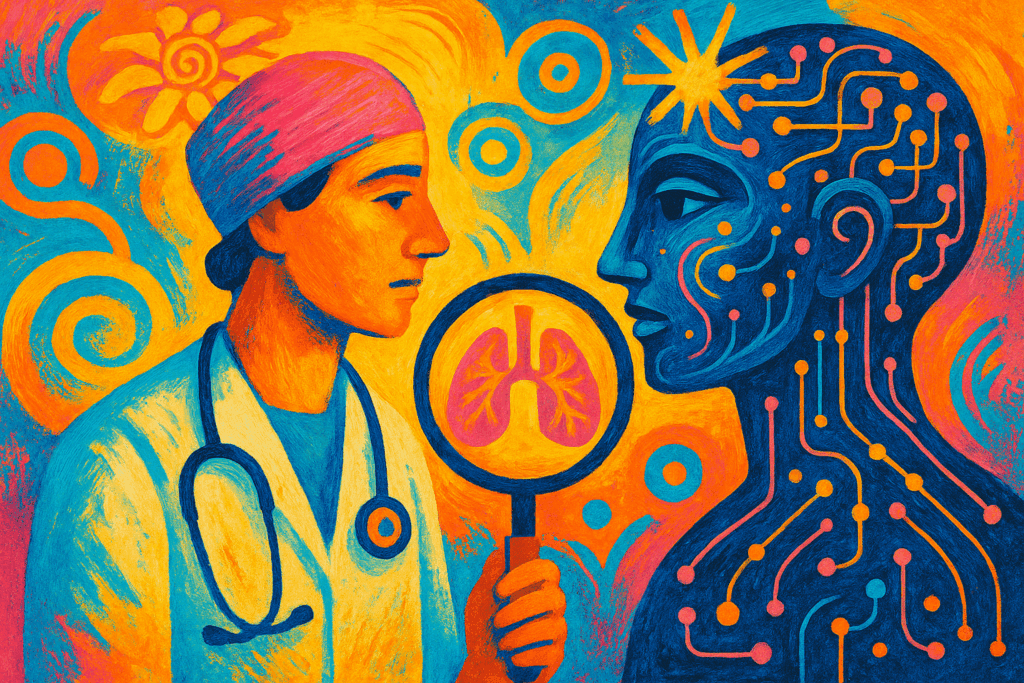
Modern AI models analyze imaging, electronic health records and genomics to detect patterns that may be invisible to the human eye. In diagnostic imaging, convolutional neural networks flag abnormalities in CT, MRI and X-ray scans faster than manual review alone. On the data side, machine learning models integrate labs, medication history and vital signs to predict deterioration or readmission risk. These capabilities shorten time-to-diagnosis, prioritize high-risk patients for review and help clinical teams allocate attention where it matters most.
From Imaging to Pathology
AI applications span radiology and digital pathology. In radiology, algorithms assist in identifying lung nodules, stroke signs and microfractures, supporting earlier intervention. In pathology, image analysis of whole-slide scans helps quantify tumor margins and cell morphology, improving consistency in cancer diagnosis. Screening programs, such as diabetic retinopathy detection, use automated workflows that increase coverage while maintaining quality control. Real-world deployments are moving from pilots to routine use as validation studies accumulate.
Benefits: Patient Outcomes and Clinical Efficiency
When integrated responsibly, AI supports earlier disease detection and more personalized treatment plans. That translates to better patient outcomes and fewer missed diagnoses. For providers, automation reduces repetitive tasks, lowers review backlog and improves throughput in busy departments. Health systems gain better resource allocation through predictive analytics that inform staffing, equipment use and referral timing.
The Road Ahead: Innovation and Integration
Broad adoption depends on robust validation, transparent model performance and seamless integration with clinical workflows. Regulatory clarity and clinician training will shape the pace of implementation. Looking forward, AI promises tighter links between diagnostics and precision medicine, large-scale predictive surveillance and tools that augment clinician decision making rather than replace it. The next phase will be defined by rigorous evidence, interoperable systems and partnerships that put patient safety first.