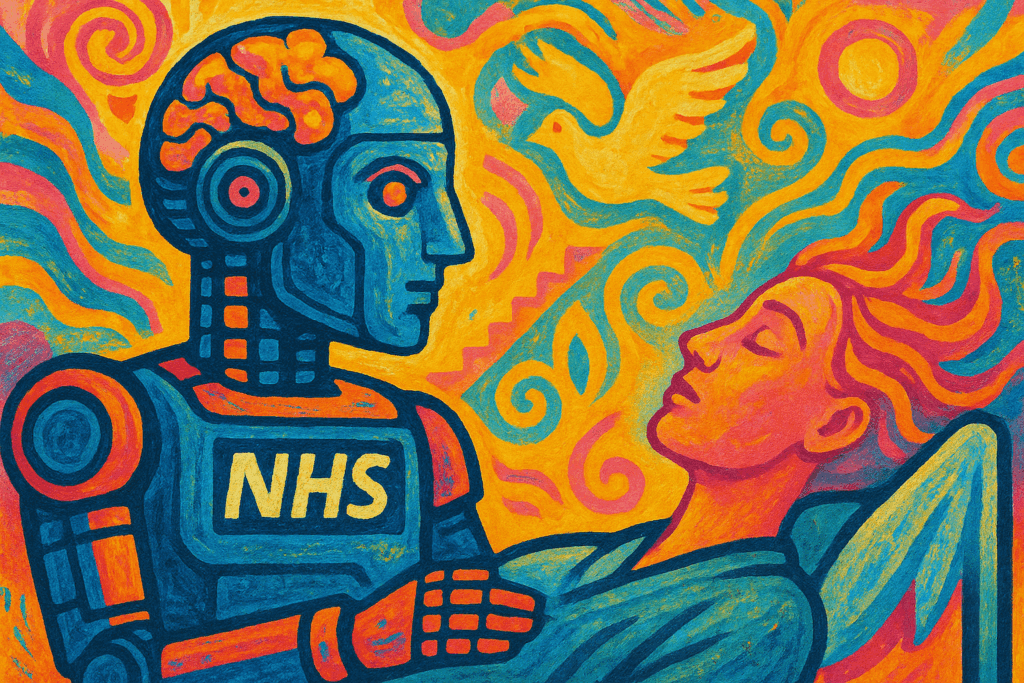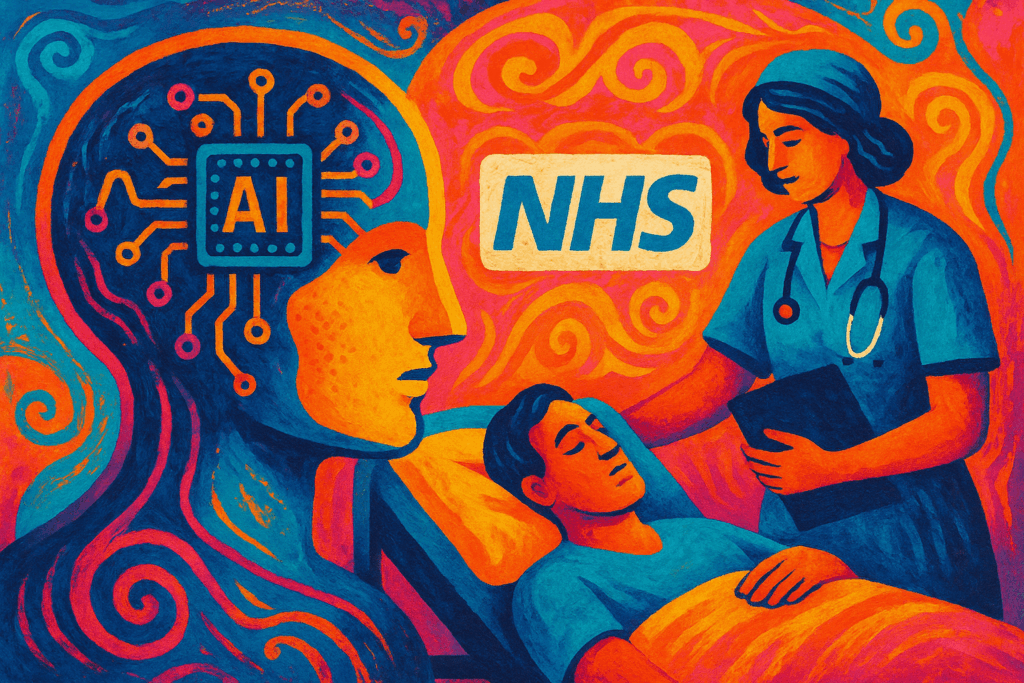

AI scribes and AI transcription technology promise substantial reductions in physician burden by automating clinical notes and freeing time for patient care. That promise comes with legal, ethical, and privacy responsibilities. This short guide outlines how health systems can capture benefits while protecting patients and providers.
A Solution for Physician Burnout
AI-assisted documentation can shorten note writing, reduce after-hours charting, and lower administrative load that contributes to clinician fatigue. When integrated with electronic health records, scribes can populate structured fields, summarize histories, and speed coding. These efficiency gains can translate to more face-to-face time with patients and improved workforce retention.
Protecting Patient Trust: Consent and Data Security
Getting Patient Consent Right
Recording consultations or using AI to generate notes requires clear consent from all parties involved. Best practice includes documenting written consent in intake forms and obtaining verbal confirmation on the record at the start of each encounter. Patients should be told what will be recorded, who will access the data, whether recordings or transcripts may be used to improve models, and the option to opt out without penalty. Keep consent logs in the medical record.
Safeguarding Sensitive Health Data
Providers carry responsibility for the security of health information. Contracts with vendors should specify HIPAA-compliant handling, a Business Associate Agreement where applicable, and explicit limits on data retention and secondary use. Technical safeguards include end-to-end encryption, role-based access controls, audit logs, and regular third-party security assessments. Consider on-premises or private cloud deployments where regulatory risk is high. Be transparent in privacy notices about storage, deletion policies, and whether data may be used for model training.
The Imperative of Accuracy
AI systems can produce errors or “hallucinations”—fabricated details that appear authoritative. Clinicians remain legally responsible for the medical record. Each AI-generated note should be reviewed, corrected, and signed promptly. Implement workflows for immediate verification, version control, and a clear chain of accountability to reduce misdiagnosis, billing errors, and medicolegal exposure.
Balancing Innovation with Responsibility
AI scribes can improve documentation quality and clinician wellbeing when adopted with governance, training, and legal oversight. Develop standard operating procedures, staff training programs, routine audits, and incident response plans. Engage patients with clear consent practices and transparent privacy policies. With those guardrails in place, organizations can realize efficiency gains while maintaining patient trust and meeting ethical and legal obligations.