Insilico Medicine Bets Big on China for AI Drug Discovery
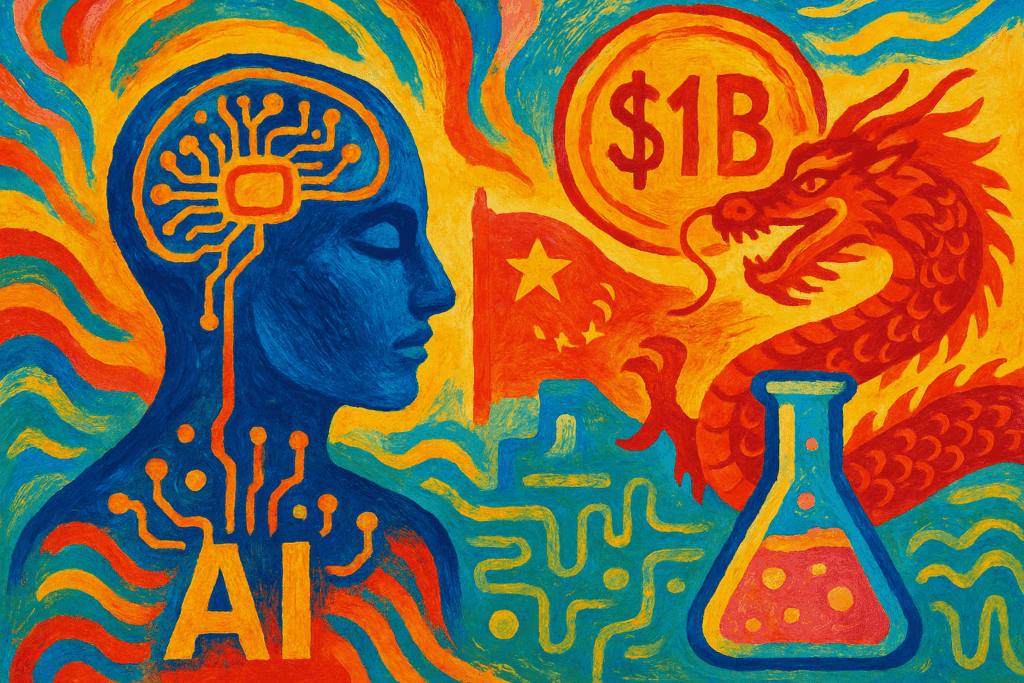
Insilico Medicine has unveiled a roughly $1 billion plan to build AI-driven research and development capacity in China, a move that signals the company's shift toward large-scale, cross-border drug discovery. Led by CEO Alex Zhavoronkov, the company intends to anchor talent, computational infrastructure, and translational pipelines in a market with deep scientific resources and a large patient base.
China’s Appeal: Talent, Market, and Policy Support
China offers a dense talent pool in data science, machine learning, and molecular biology, alongside rapidly expanding biotech clusters. The sheer size of its patient population accelerates access to real-world data and clinical cohorts, which firms can use to validate AI-generated hypotheses faster. Government incentives and ecosystem funding further reduce friction for setting up labs, data partnerships, and regulatory pathways, making China a strategic location for companies seeking speed and scale.
AI’s Role in Accelerating Drug Development
Insilico applies AI across multiple stages: target identification, generative chemistry to design candidate molecules, and predictive models that help prioritize leads for synthesis and testing. By automating iterative design cycles and scoring likely clinical success earlier, these systems aim to reduce time and cost compared with traditional discovery workflows. The company points to a growing pipeline of AI-originated assets that have progressed into preclinical and clinical evaluation as evidence the approach can yield viable therapeutic candidates.
Implications for the Global AI Biotech Landscape
This substantial investment is likely to prompt peers and investors to reassess geographic strategies. Expect intensified competition for AI talent, more transnational partnerships, and a push for harmonized regulatory frameworks to handle AI-derived assets. For global pharmaceutical R&D, the result may be faster molecule generation cycles and a shift in where early-stage innovation occurs.
For stakeholders, the key questions are how effectively Insilico integrates local data and talent with its AI platforms, and whether accelerated discovery translates into reproducible clinical outcomes. The company's China initiative will be an important case study for the future of AI biotechnology.