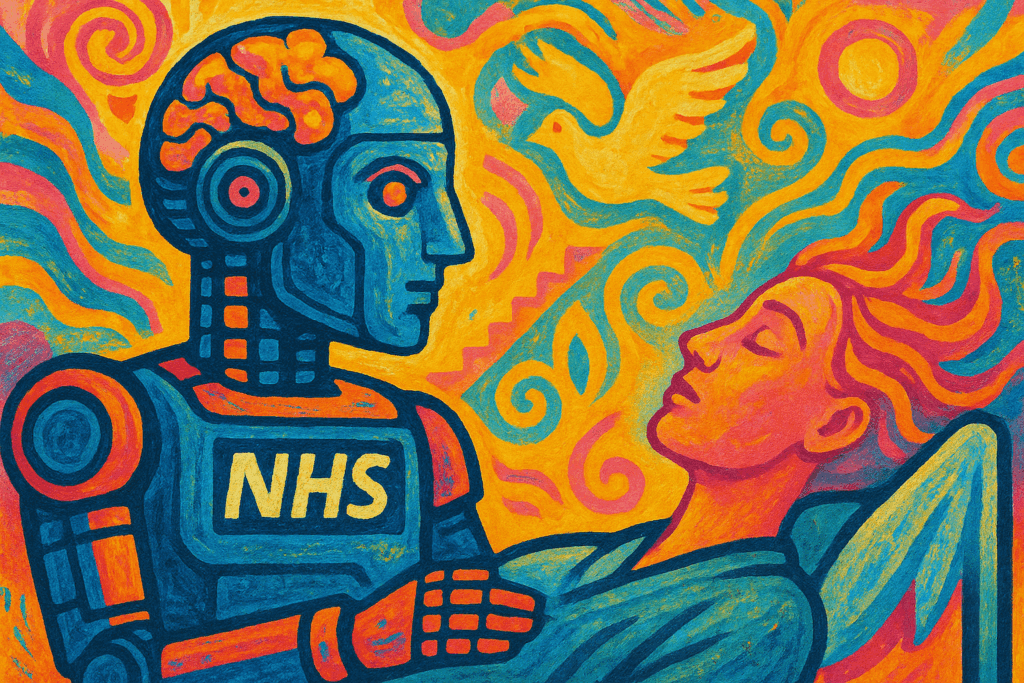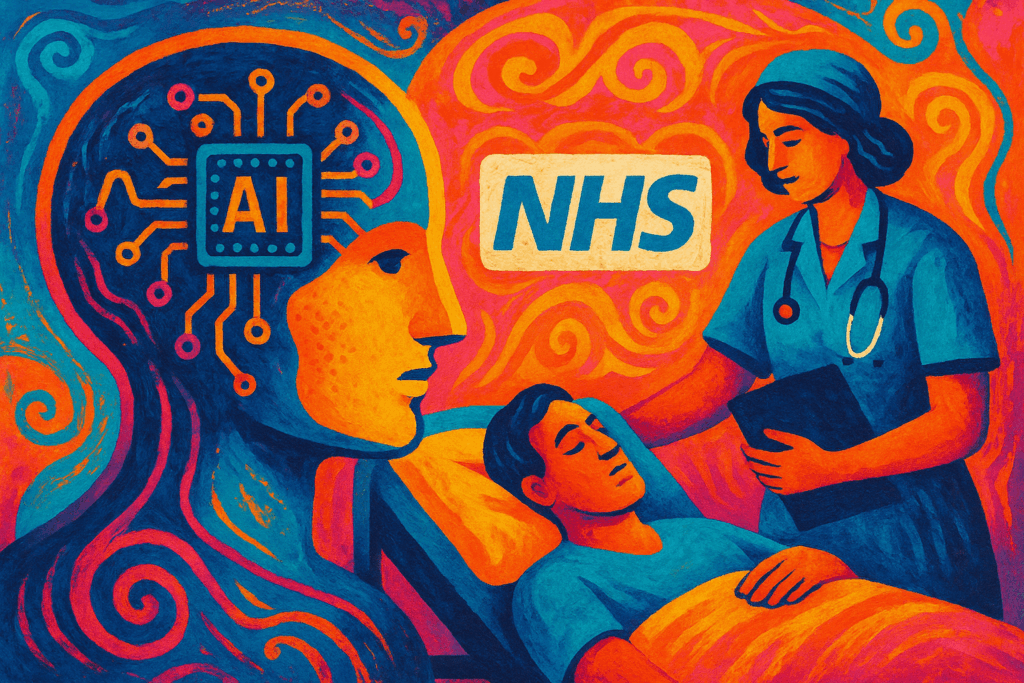

The UK health system has announced funding, staffing and digital milestones tied to the NHS 10-Year Plan. For tech builders, clinicians and policy teams this is a moment to align AI investments with operational needs, patient access and workforce pressures. Below are practical implications and opportunities for AI in the NHS context.
Digital transformation and productivity: the NHS 10-Year vision
Recent policy updates highlight more doctors, expanded appointments, faster diagnostics and promotion of the NHS App as the front door to services. These system-level aims match AI strengths: automating routine workflows, triage and prioritisation, and accelerating image and pathology interpretation. For example, AI triage layers can route patients to the right clinician or digital service, reducing appointment backlogs and cutting administrative load. Natural language models applied to records can surface care gaps and speed referrals, which supports measurable productivity improvements when integrated with care pathways and clinical governance.
Addressing workforce and patient needs with AI
Workforce debates around flexible working and staff shortages make workflow support tools more relevant. AI can handle repetitive admin tasks, generate draft letters, manage rostering predictions and provide point-of-care decision support so clinicians spend more time on complex cases. For vulnerable groups such as care leavers, targeted AI-driven outreach and personalized digital pathways can improve registration and mental health follow-up by using consented data to flag missed contacts and offer low-friction access points through the NHS App.
The path forward: AI’s role in a more resilient NHS
To move from pilots to scale, developers and policymakers must prioritise clinical validation, transparent algorithms, fair datasets and clear procurement routes. Key considerations include data governance, workforce training, and impact measurement tied to service KPIs. When these elements align, AI will function as an operational layer that supports faster diagnostics, smarter capacity planning and more equitable access. The immediate task is pragmatic: match AI capabilities to specific NHS pain points, publish outcomes, and loop learning into national strategy so the health system becomes more responsive and sustainable.