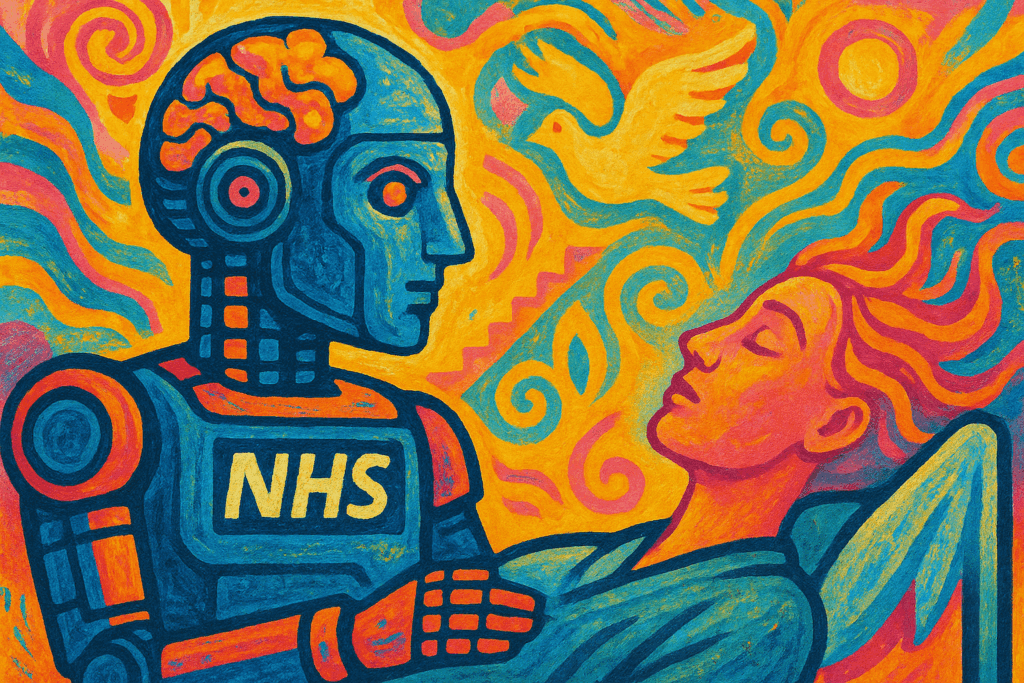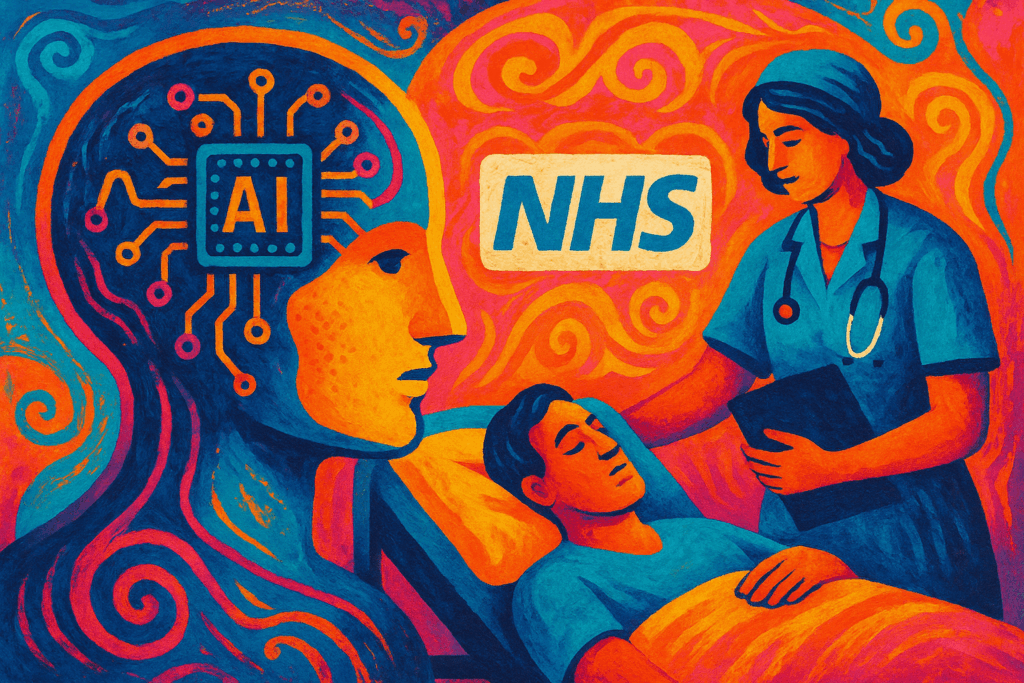
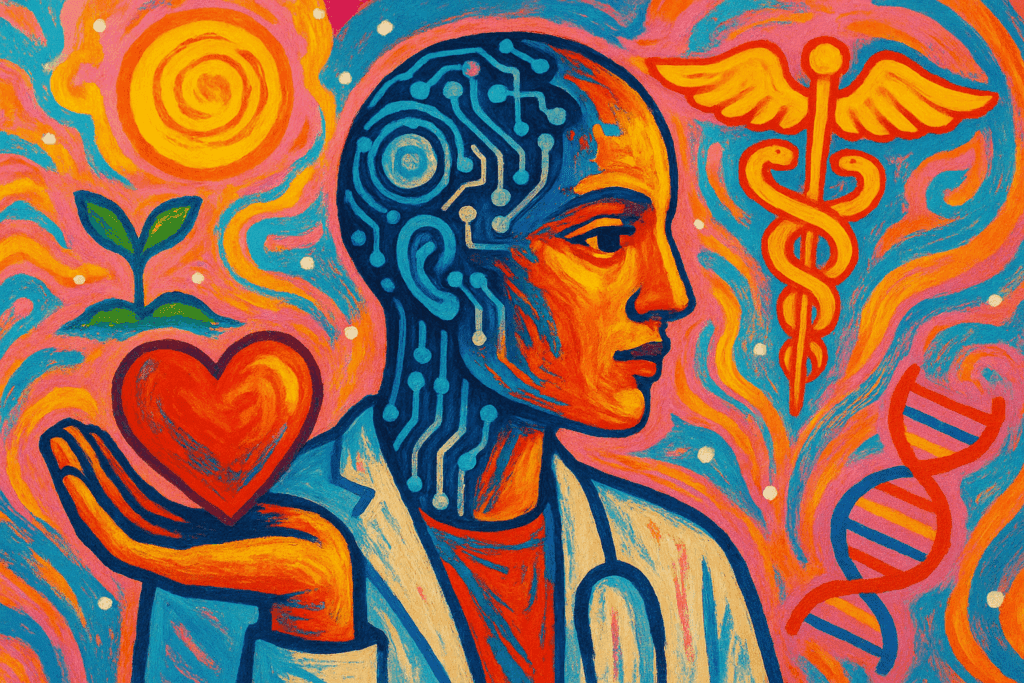
Artificial intelligence is moving from research labs into everyday clinical settings. Shorter diagnostic timelines, more targeted therapies, and faster drug discovery are visible outcomes today. This article summarizes where AI is already making a measurable difference, the barriers clinics must address, and practical next steps for responsible deployment.
The Promise of AI in Modern Medicine
AI and machine learning are improving accuracy and speed across multiple clinical tasks. Algorithms can flag abnormal imaging findings, prioritize high-risk patients for review, and surface treatment options tailored to genomic and clinical data. These tools are not replacements for clinicians, but they shift attention toward earlier detection and more personalized decisions.
Key Applications Shaping Patient Care
Two concrete examples stand out. First, diagnostic imaging: deep learning models assist radiologists by highlighting subtle patterns in scans that may indicate early cancer, stroke, or cardiac disease, cutting review times and helping standardize reads. Second, drug discovery and trial design: AI models accelerate molecule screening and predict candidate behavior, shortening timelines and lowering early-stage costs.
Addressing the Hurdles: Ethics and Implementation
Real-world adoption faces multiple challenges. Data privacy and secure model training must be addressed with robust governance. Algorithmic bias can widen health disparities if training datasets do not reflect diverse populations. Explainability remains important for clinician trust and regulatory review. Practical barriers include workflow integration, reimbursement models, and clinician training to interpret algorithm outputs.
What’s Next for Health AI?
The next phase requires coordinated action: prospective clinical validation, interoperable data standards, transparent model reporting, and updated regulatory pathways that balance safety with innovation. Providers, vendors, regulators, and patient groups should collaborate on pilot programs that measure clinical outcomes, cost impact, and equity. With careful oversight and pragmatic tests in clinical settings, AI can move from experimental tools to reliable partners in care.
Follow HealthAIInsiders for concise updates that connect breakthroughs with the operational and ethical questions that determine whether those breakthroughs reach patients.