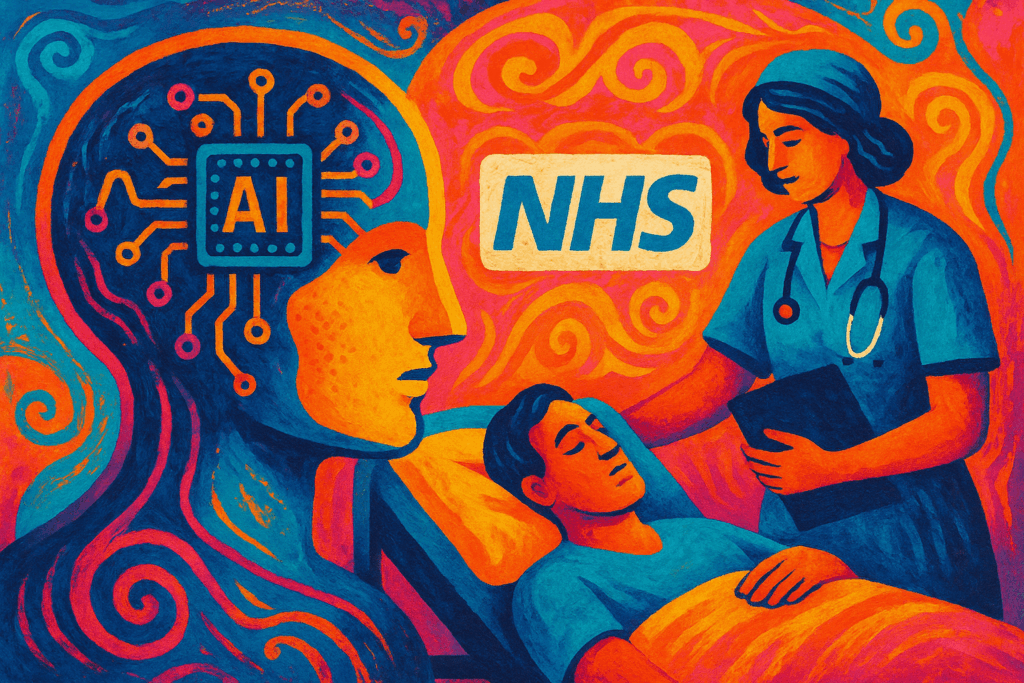

Artificial intelligence is moving rapidly into clinical care, from image interpretation to virtual clinicians. Benefits for accuracy and workflow are visible, but widespread patient acceptance is not guaranteed. Health systems, vendors, and policymakers must address trust and privacy to translate technical progress into better outcomes.
AI’s Clinical Strides: Diagnostics and Virtual Care
AI models now support mammography and other cancer screening workflows by flagging abnormalities and prioritizing cases for radiologists. Radiology networks and vendors report improved read efficiency and earlier detection in pilot studies. At the same time conversational AI and virtual clinicians are expanding telemedicine capacity, automating follow ups, and helping reduce clinician administrative load that contributes to burnout.
The Patient Trust Deficit: Data, Security, and Acceptance
Many patients remain skeptical about AI because of privacy concerns and recent data breaches that erode confidence in how health data is handled. High-profile incidents and opaque data sharing practices make HIPAA appear limited to some patients, especially when third-party platforms or consumer apps access clinical information. Surveys and insights from practice platforms such as Tebra, patient-monitoring firms like MyndYou, and imaging partners such as RadNet reflect a gap between clinical promise and patient willingness to share data.
Building Trust: Strategies for Future AI Integration
Providers and developers should adopt specific, patient-centered measures to boost acceptance:
- Use plain-language consent that describes exactly what data will be used, for how long, and by whom.
- Publicize demonstrable patient protection outcomes rather than technical metrics. For example, show how AI reduced unnecessary biopsies or shortened time to treatment.
- Adopt rapid, transparent incident response plans and communicate breaches and fixes quickly to affected patients.
- Implement independent third-party audits and publish summaries of algorithm performance and bias testing.
- Train clinical staff on how to explain AI roles in care so clinicians can answer patient concerns during encounters.
AI will reshape diagnostics and care delivery only if patients trust systems that hold their data and make recommendations. The path forward is practical: protect data, simplify communication, and demonstrate measurable patient benefits. That is how the technology will move from novelty to standard practice.