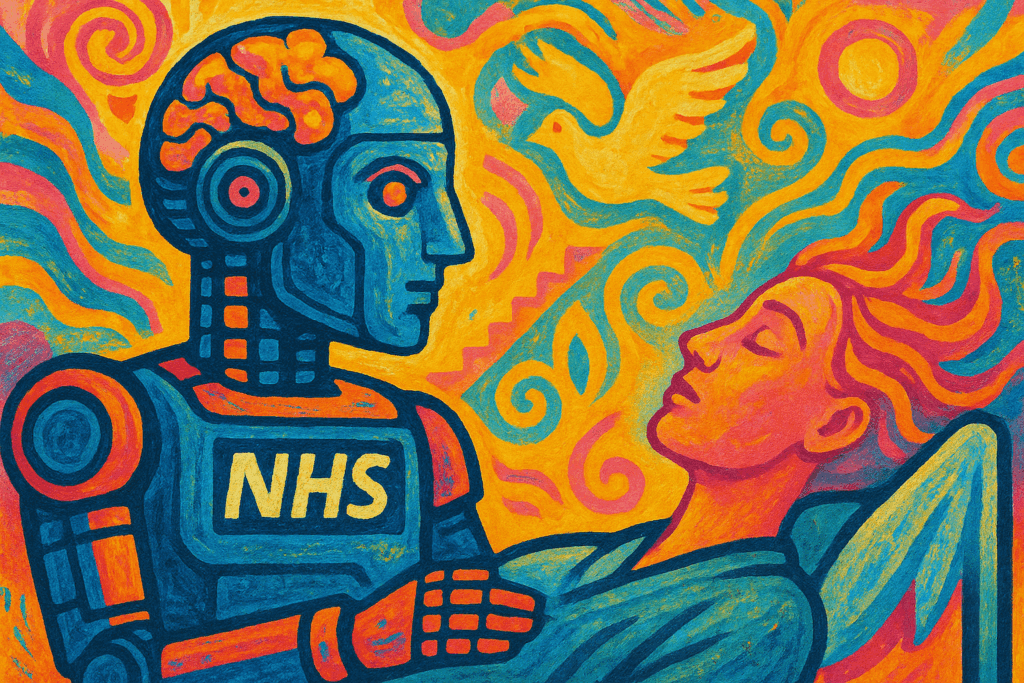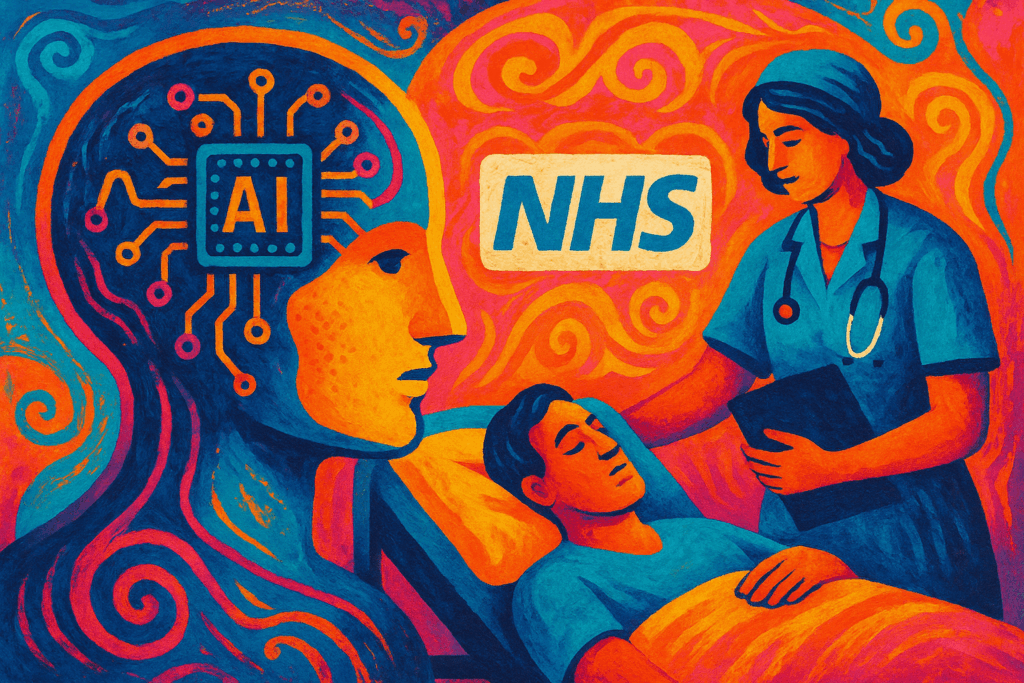
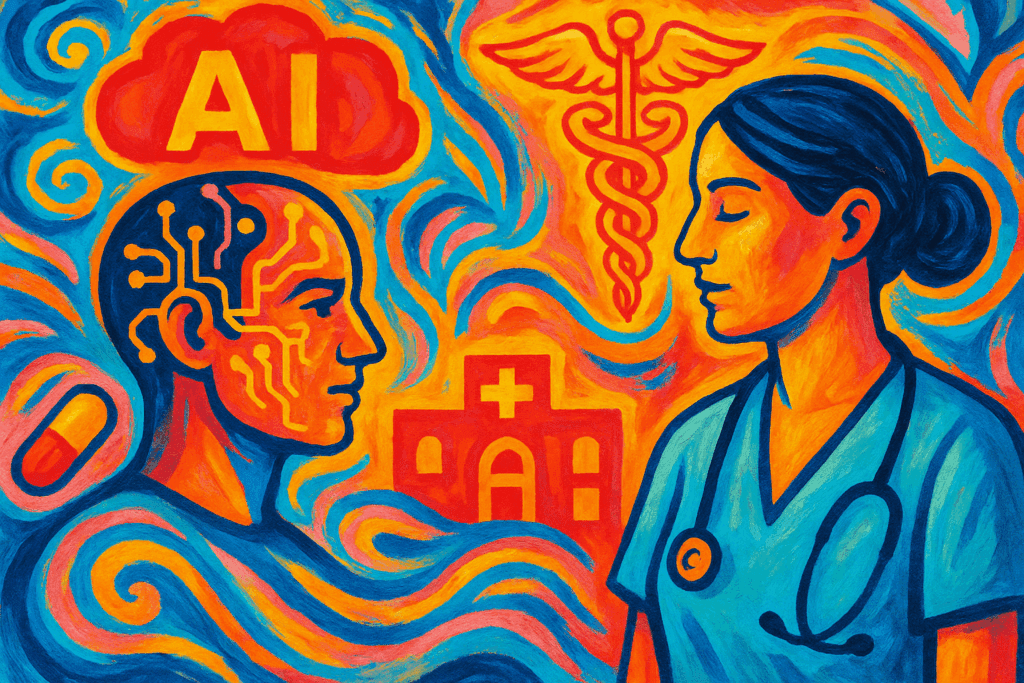
Introduction: A new era for healthcare innovation
Health systems face rising demand, workforce shortages and pressure on services. Artificial intelligence offers targeted tools that address specific bottlenecks faced by UK health services and similar systems worldwide. Below we map practical AI approaches for mental health, emergency care, treatment development and strategic service planning.
AI in Mental Health & Emergency Services: A path to better outcomes
AI for accessible mental healthcare
Natural language processing and predictive models can triage referrals, match patients to the right community service and predict risk of deterioration. Conversational agents and guided self-help platforms reduce administrative burden and provide immediate support while people await specialist assessment. Aggregated patient-reported data and remote monitoring help services prioritise high-risk cases and allocate scarce therapist time more effectively.
Optimizing emergency response with AI
Predictive analytics forecast demand by hour and location, allowing ambulances and hospitals to pre-position crews and beds. Real-time queue models improve patient flow through emergency departments by suggesting dynamic streaming rules and staffing adjustments. AI-assisted triage tools can flag patients needing urgent imaging or specialist input, cutting time to treatment and lowering crowding.
Advancing treatment & service efficiency with intelligent systems
AI accelerates medical breakthroughs
Machine learning reduces time to identify drug candidates and stratifies patients for clinical trials, speeding oncology and other therapeutic advances. Imaging AI improves detection and treatment planning, enabling more personalised regimens and faster regulatory pathways when combined with real-world evidence.
Strategic service redesign via AI
Simulation models and optimisation algorithms help health leaders test consolidation scenarios for specialist services, balancing travel time, workforce availability and clinical outcomes. Federated learning preserves privacy while pooling data across trusts to inform capacity planning and referral pathways.
Conclusion: Charting a data-driven future
AI will not replace clinical judgment but it can reduce waits, improve flow, accelerate treatments and support strategic decisions that make systems more resilient. HealthAIInsiders.com will track implementations that turn promise into measurable gains for patients and providers.